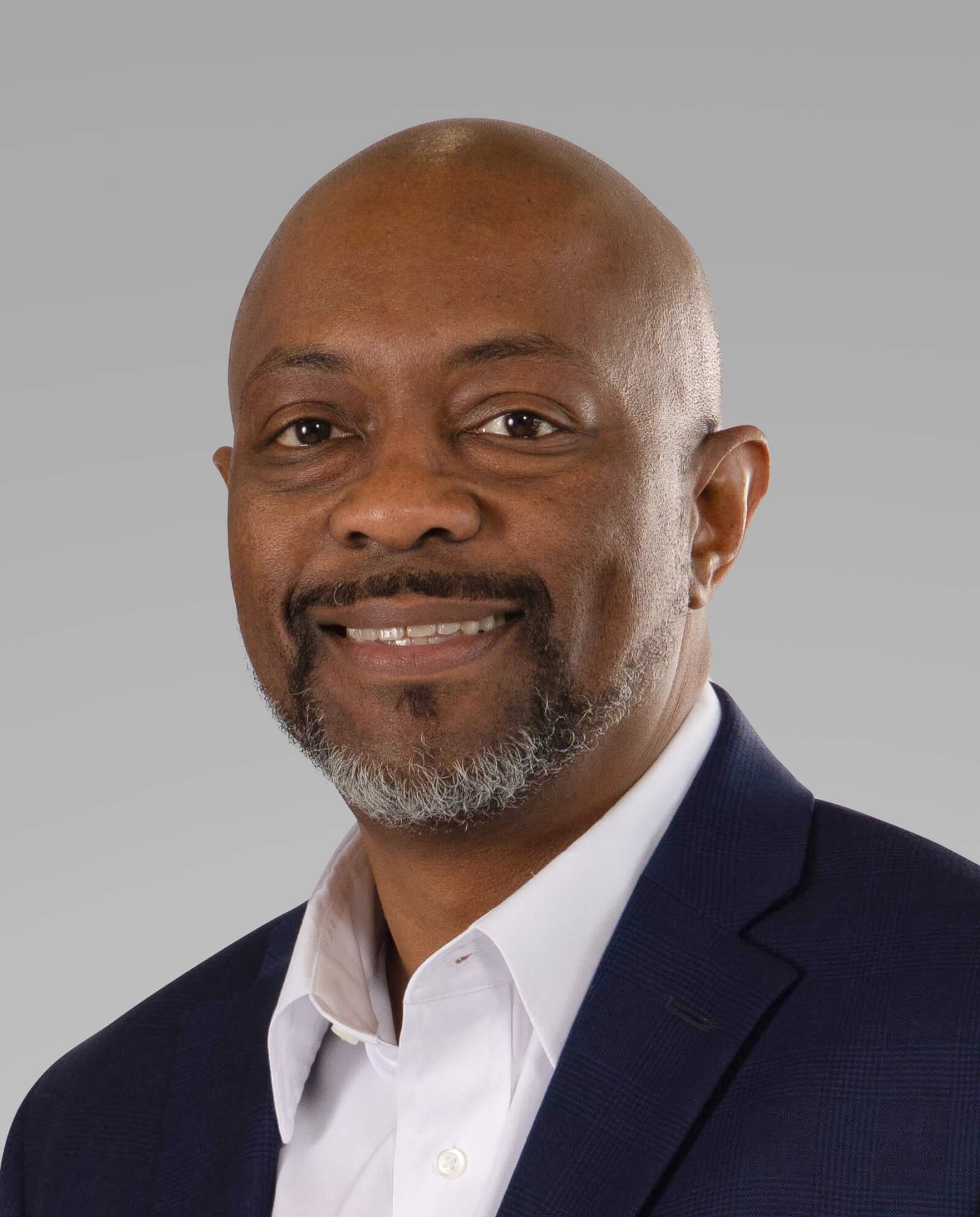
CHAVIS RAYNOR, PhD
FAILURE PATTERN INTELLIGENCE™
I identify the failure patterns that destroy capital before it’s deployed—not after.
Most strategic failures follow predictable patterns. Documented across decades of capital allocation research, executives have recorded hundreds of millions in losses that follow identifiable, recurring structural patterns. Business schools teach success frameworks. Consultants apply best practices. Nobody systematically extracted the failure patterns and cross-validated against independent authoritative sources—until now.
When most consultants tell you what could go right, I can tell you what typically goes wrong—and more importantly, what prevents it before capital is deployed.
“Chavis designed and executed an extensive research initiative that included 30-40 in-depth interviews across our facilities in Augusta, Atlanta, and Europe. What impressed me most was his analytical rigor and synthesis capabilities—he took input from diverse functional perspectives and distilled complex organizational data into a clear, actionable strategic framework. His work required navigating a complex, matrix organization and building trust with stakeholders at all levels. Beyond his research and analytical skills, Chavis demonstrated exceptional professionalism, persistence, and adaptability, consistently producing high-quality work. I would not hesitate to recommend Chavis to organizations seeking strategic guidance on organizational assessment or helping leadership teams understand their current state and pathways for transformation.”— Brad Schaufert, MBA
Director of Business Strategy and Program Management
Textron Specialized Vehicles
Background
I started my career as a mechanical engineer, earned a PhD in physics, then spent a decade as a research physicist and academic—publishing in peer-reviewed journals, analyzing complex systems, and developing the scientific methodology that would later become the process behind FPI™.
At Textron Specialized Vehicles, I worked as an internal consultant, conducting comprehensive strategic assessments across multiple facilities in the US and Europe—30-40 stakeholder interviews distilled into actionable strategic frameworks. While at Textron, I discovered How to Lose $100,000,000 and Other Valuable Advice, the under-appreciated memoir of founder Royal Little. Reading it was the first direct exposure to the documented capital allocation failures that sparked FPI™.
I speak on capital allocation failure to executive audiences and business schools, drawing on the same research base as FPI™.
The physics training gives me the analytical rigor. The consulting experience gives me the organizational understanding. The combination produced FPI™—a proprietary database of 770 documented failure patterns (45 checked against matched comparison cases), cross-validated against independent authoritative sources, built to prevent capital destruction before it becomes visible to the people deploying it.
The CEO I work with controls significant capital. He faces decisions that cannot be undone—acquisitions, major capital commitments, debt structures, expansion bets. He is operationally capable and strategically serious. What he does not have is a systematic way to see the failure patterns active in his specific situation before the capital is deployed. That is the gap FPI™ exists to close.
The CFO I work with sees it in the numbers first — before the CEO sees it in the outcomes. That early visibility is only useful with a framework to act on it.
The Board I work with is being asked to approve something it cannot fully audit from the materials in front of it. Directors owe the company an independent stress test before capital crosses the balance sheet—not a second opinion on strategy, and not a vote of confidence in management. That distinction is the job.
Failure is rarely caused by incompetence. It is caused by structure operating beyond its design limits.
Where FPI™ Fits
FPI™ is not a quality-of-earnings review. A QofE assessment tells you whether the target’s historical earnings are real and repeatable—a financial statement question, usually run by the deal’s accountants after an LOI is signed. FPI™ asks a different question: does this decision, independent of whether the target’s numbers hold up, match a documented structural pattern that predicts failure regardless of deal quality? A target can pass QofE cleanly and still sit inside a failure pattern—overpayment relative to synergies, integration structure mismatched to deal rationale, capital velocity outpacing scrutiny. FPI™ reads the decision. QofE reads the target.
FPI™ does not replace your deal team. Your M&A advisor, attorneys, and accountants are quarterbacking the transaction—negotiating terms, running diligence, closing the deal. That team’s job is to get the deal done on the best terms available. FPI™’s job is different by design: an outside read, held to no deal-completion incentive, asking only whether the decision in front of you matches a documented pattern that predicts failure. The distinction matters because the two roles have different, sometimes opposed, incentives—and a decision this size deserves at least one voice in the room that isn’t paid more for the deal closing than for it being right.
Why Not Just Learn This Yourself?
A capable CEO or CFO can study the capital allocation literature and become genuinely more capable. What a book can’t do is tell you whether your deal, on your timeline, matches one of the documented failure patterns. That takes someone with no stake in your thesis and no sunk cost in the diligence already done.
If a qualifying conversation makes clear you don’t need a pattern check on this decision, I’ll tell you that directly.
Education
PhD, Physics
Florida A&M University
MS, Entrepreneurship
University of Florida
MS, Physics
Florida A&M University
BS, Mechanical Engineering
North Carolina A&T State University